How Colorado’s Freeze–Thaw Cycles Impact Remodeling Materials
Custom Work for Any Budget
Veteran Owned and Operated
Contact us
Location
Colorado Springs, CO
Hours Of Operation
Mon-Fri: 8:00am – 6:00pm
What Homeowners Need to Know About Concrete, Tile, Flooring, and Exterior Finishes
Living in Colorado Springs comes with incredible views, four distinct seasons, and—whether homeowners realize it or not—one of the most demanding climates for building materials. One of the biggest challenges remodelers and homeowners face here is the freeze–thaw cycle, a natural process that can quietly damage materials if they aren’t chosen or installed correctly.
Whether you’re planning a kitchen update, bathroom renovation, basement finish, or a full-scale remodel, understanding how freeze–thaw conditions affect your home can save you from premature cracking, warping, and costly repairs down the road.
Let’s break down what freeze–thaw cycles are, why they matter at elevation, and how they impact common remodeling materials throughout your home.
What Is a Freeze–Thaw Cycle—and Why Colorado Gets Hit Hard
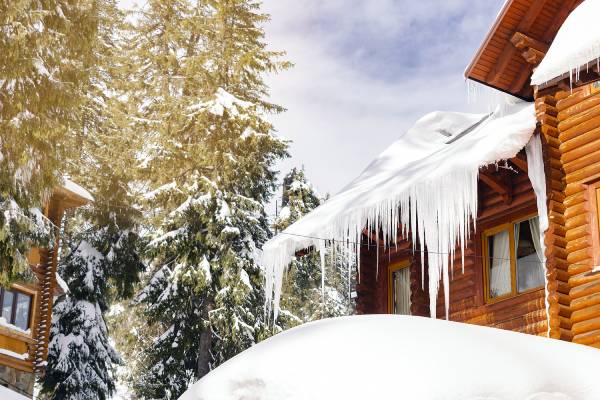
A freeze–thaw cycle occurs when temperatures rise above freezing during the day and drop below freezing at night. Moisture seeps into tiny cracks, pores, or joints in materials. When temperatures drop, that moisture freezes and expands. When it thaws, it contracts. Over time, this constant expansion and contraction weakens materials.
Colorado Springs experiences:
-
Rapid temperature swings
-
Low humidity paired with snow and ice
-
High elevation UV exposure
-
Frequent shoulder-season freezes in fall and spring
That combination makes proper material selection and installation especially important—not just outside, but inside your home as well.
Concrete: Strong, Durable… and Vulnerable Without Proper Prep
Concrete is commonly used in foundations, basement slabs, patios, and even modern interior flooring. While it’s incredibly strong, it’s also porous.
Without the right mix, reinforcement, and curing process, concrete can:
-
Develop surface scaling
-
Crack along control joints
-
Spall when moisture freezes beneath the surface
This is especially relevant for homeowners finishing basements or expanding living space below grade. A properly prepared slab, moisture mitigation, and insulation strategy are critical when planning a basement transformation that’s meant to last through decades of seasonal changes.
Freeze–thaw damage in concrete often isn’t immediate—it shows up years later if shortcuts were taken early.
Tile & Stone: Beautiful, But Installation Is Everything
Tile and natural stone are popular choices in Colorado homes, particularly in kitchens, bathrooms, and entryways. The materials themselves are durable, but freeze–thaw cycles can cause problems when moisture finds its way beneath the surface.
Common issues include cracked grout lines, loose or “popped” tiles, and hairline fractures in stone.
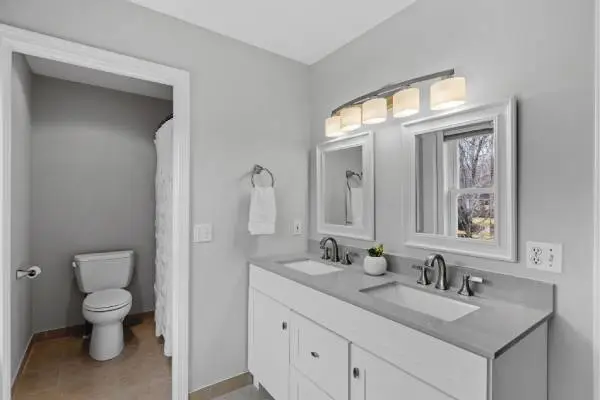
Bathrooms are particularly vulnerable because of humidity, temperature differences, and water exposure. Choosing proper underlayment, waterproofing systems, and movement joints makes a major difference when planning a bathroom renovation built for Colorado conditions.
Not all tile is rated equally, and in Colorado’s climate, the wrong choice can mean repairs far sooner than expected.
Flooring: Expansion, Contraction, and Seasonal Stress
Flooring materials inside the home may seem protected from outdoor weather, but freeze–thaw cycles still influence them—especially in homes without consistent temperature control or proper insulation.
Some common concerns include hardwood expansion and cupping during seasonal changes, laminate separation if moisture barriers are inadequate, and LVP buckling when subfloors shift with temperature swings.
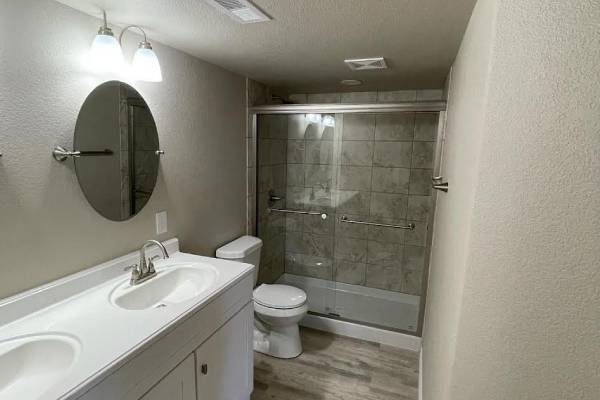
Basements are the most common trouble spot. That’s why selecting flooring designed for below-grade environments is essential when creating comfortable lower-level living spaces that feel like part of the home.
Careful planning during basement finishing projects ensures materials can flex slightly without failing when temperatures fluctuate outside.
Exterior Finishes: The Front Line Against Freeze–Thaw Damage
Siding, trim, masonry, and exterior finishes take the brunt of freeze–thaw exposure. Moisture infiltration followed by freezing temperatures is one of the leading causes of premature exterior wear in Colorado Springs.
Poor material choices or installation can lead to cracked stucco or masonry, peeling paint and finishes, and warped trim and siding panels.
This becomes especially important when remodeling an older home or tying new construction into existing structures. Whether you’re expanding outward or reworking the entire exterior envelope, long-term durability depends on materials that can breathe, shed water, and handle temperature swings.
This is where comprehensive whole-home renovation planning plays a critical role in long-term performance.
Insulation & Moisture Control: The Unsung Heroes
Many freeze–thaw issues aren’t caused by surface materials at all—but by what’s happening behind the walls.
Proper insulation, vapor barriers, drainage, and airflow help prevent condensation buildup, maintain stable indoor temperatures, and reduce stress on structural materials.
This is particularly critical when homeowners are reconfiguring layouts, opening walls, or expanding living space. Larger renovation efforts that rethink the home as a system—not just a series of cosmetic upgrades—are far better equipped to handle Colorado’s climate long-term.
That holistic approach is exactly what’s needed during full-scale home remodeling projects.
Planning for Additions in a Freeze–Thaw Environment
Home additions in Colorado Springs must be designed with freeze–thaw cycles in mind from day one. Foundations, framing connections, roofing transitions, and exterior finishes all need to work together.
Without proper planning, additions can settle differently than the original structure, develop cracks at connection points, or experience uneven flooring and door alignment issues.
Designing new living space that integrates seamlessly with your existing home requires a deep understanding of soil conditions, temperature movement, and moisture management—especially at elevation. That’s why thoughtfully designed home expansions are so important in this region.
Why Local Experience Matters
Freeze–thaw cycles aren’t something you can “design around” with generic materials or one-size-fits-all solutions. They require local knowledge, proven construction methods, and careful attention to detail.
From kitchens and bathrooms to basements, additions, and entire home transformations, successful remodeling in Colorado Springs means choosing materials and systems that are built for this environment—not just what looks good in a showroom.
When done right, your remodel won’t just survive Colorado’s climate—it’ll thrive in it.
Our Work




Our Remodeling Services
Kitchen Remodeling
Kitchen Remodeling
Bathroom Remodeling
Bathroom Remodeling
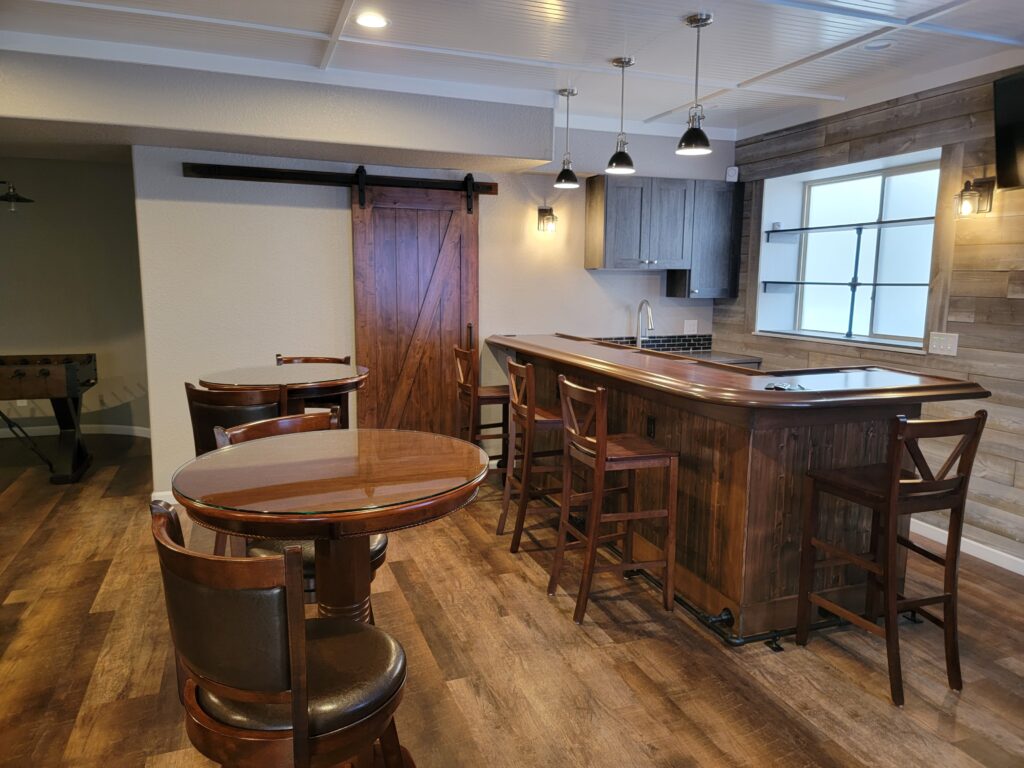
Basement Finishing
Basement Finishing
Home Additions
Home Additions
Whole Home Remodeling
Whole Home Remodeling
Client Testimonials

Fortune Homes, LLC
5.0

Fortune Homes, LLC
5.0

This team is the best of the best. They completed our basement exactly on schedule, worked with us with open communication, demonstrated reliability, and they were professional the entire time. We cannot recommend Fortune Homes more.
Our master bathroom turned out better than we could have imagined. Everyone in Scott’s employment was professional, friendly, and trustworthy. The quote he provided initially did not change on the final invoice. We have and will continue recommending them to anyone looking for a home improvement contractor.
Areas Serviced
- HQ: North Colorado Springs, CO
- North West Colorado Springs, CO
- North East Colorado Springs, CO
- Banning Lewis Ranch, CO
- Briargate, CO
- Cordera, CO
- Falcon, CO
- Flying Horse, CO
- Monument, CO
- Pine Creek, CO
- Rockrimmon, CO

Colorado Springs, CO- (719) 213-9838